Monster Max 2: How Big Is WhistlinDiesel’s Twin-Diesel Monster Truck?
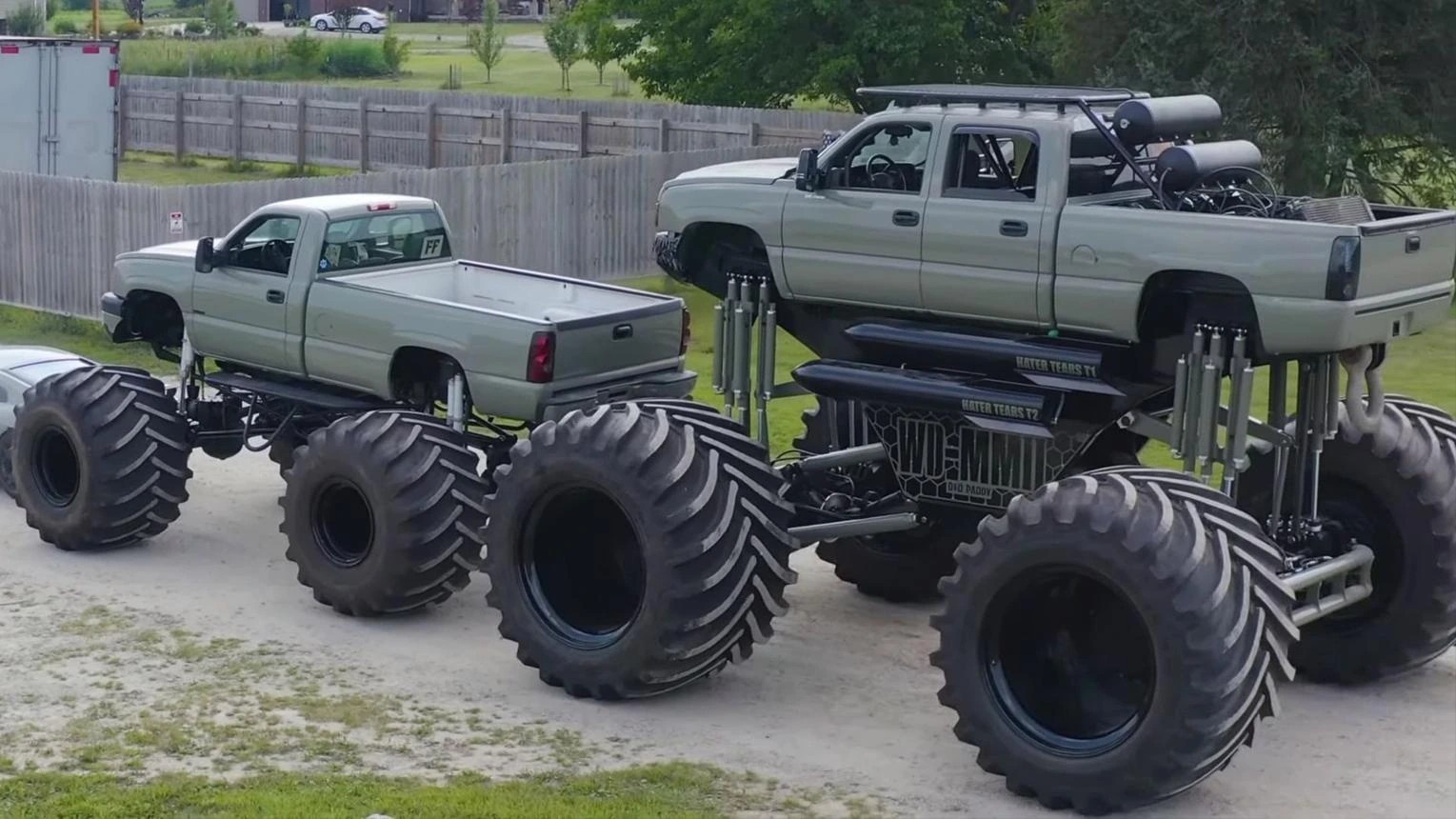
Monster Max 2 is not a normal monster truck, and it is not really trying to be one. It sits somewhere between an engineering stunt, a YouTube-era spectacle, a farm-equipment fever dream, and a genuine attempt to build one of the biggest diesel-powered trucks people have ever seen moving under its own power.
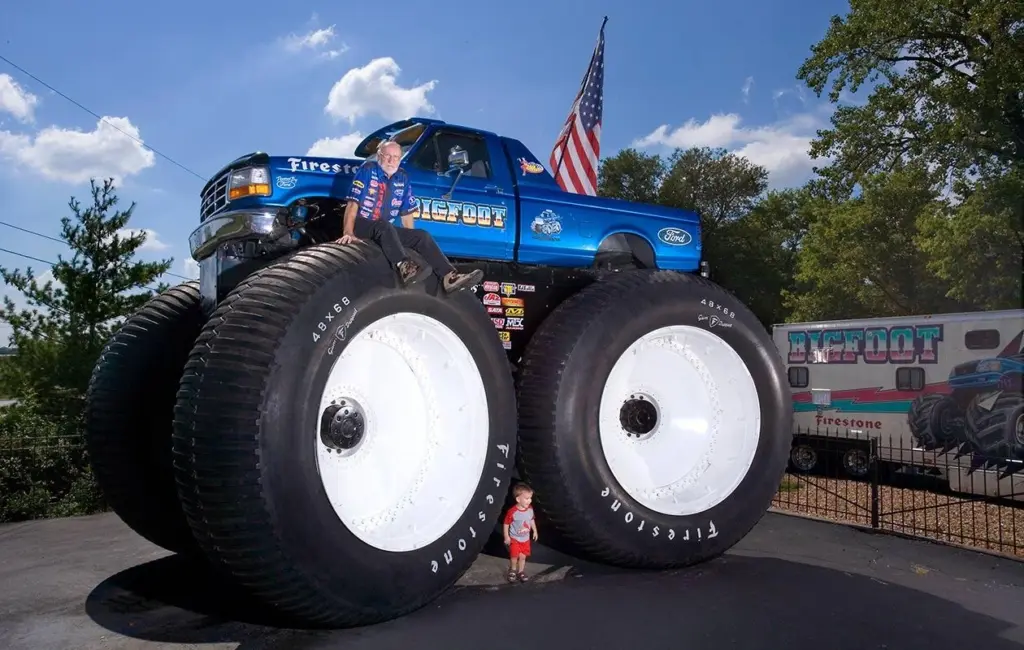
The short answer: Monster Max 2 is enormous, twin-engined, diesel-powered, and built around scale more than competition rules. But calling it “the world’s biggest monster truck” needs caution. Guinness World Records still lists Bigfoot 5 as the largest monster truck, standing 15 ft 6 in tall, using 10-foot tires, and weighing 38,000 lb. Monster Max 2 may be more extreme in some areas, but its record status is not the same as an official Guinness listing.
What Monster Max 2 Actually Is
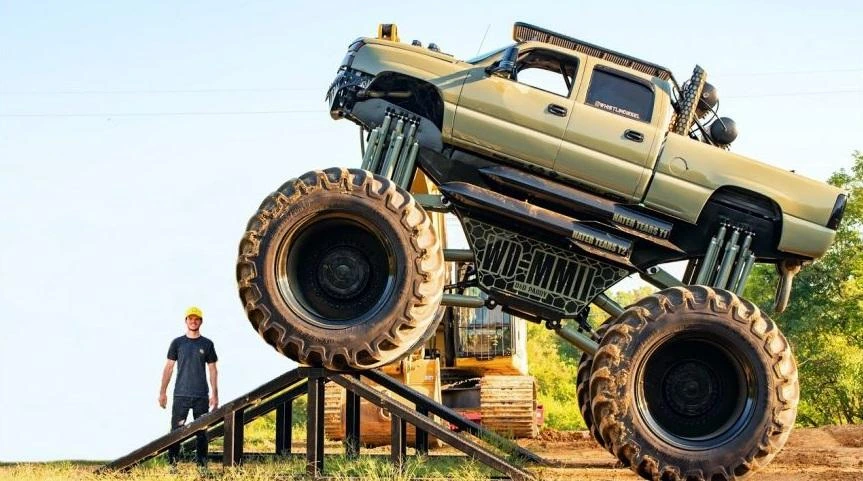
Monster Max 2 is the second major version of Cody Detwiler’s MonsterMax project. Detwiler, better known online as WhistlinDiesel, built his reputation on destructive truck content, exaggerated off-road experiments, and vehicles pushed far beyond ordinary use.
That context matters. Monster Max 2 was not built for Monster Jam-style racing, stadium freestyle, or formal competition scoring. It was built as a content vehicle and engineering spectacle. The purpose is not to clear ramps cleanly or win a racing bracket. The purpose is to test how far a truck build can be scaled before practicality disappears.
That is why Monster Max 2 looks less like a traditional arena monster truck and more like a diesel mega-truck assembled from agricultural tire logic, oversized driveline parts, heavy fabrication, and internet-era showmanship.
The Size Question: Is Monster Max 2 the Biggest?
The biggest debate around Monster Max 2 is simple: is it actually the world’s biggest monster truck?
The answer depends on what measurement matters. Height, weight, tire size, drivability, official record status, and visual scale do not always point to the same winner.
Bigfoot 5 still holds the official Guinness record for largest monster truck. That truck was built in 1986, uses 10-foot tires, and remains the benchmark for official size recognition. Monster Max 2 is often discussed as a challenger because of its massive farm tires, heavy axles, twin diesel engines, and estimated weight above many conventional monster trucks. But “looks bigger” and “holds the record” are not the same claim.
For fans, the practical verdict is this: Monster Max 2 may be one of the most outrageous working diesel monster-style trucks ever built, but Bigfoot 5 remains the official record reference unless a recognized authority verifies otherwise.
Tires: The Detail That Defines the Build
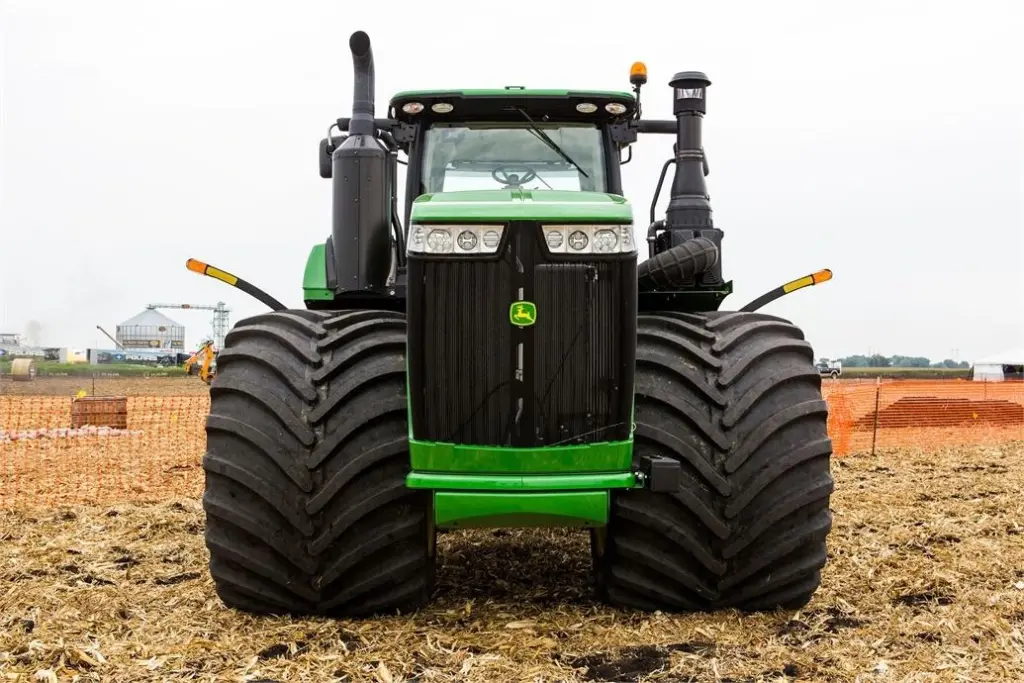
The tires are the first thing most people notice. Monster Max 2 uses Goodyear OPTITRAC LSW 1400/30R46 agricultural tires, the type of tire normally associated with heavy farm equipment rather than arena monster trucks. MotorTrend described these as some of the biggest agricultural tires available for purchase, with each tire weighing more than 1,500 pounds.
That choice changes the whole character of the truck. Standard Monster Jam-style trucks usually run 66-inch tires designed for competition use. Monster Max 2 moves in a different direction. Its tires are built for flotation across farm soil, where the goal is spreading weight and reducing compaction, not absorbing a stadium jump.
This is one reason Monster Max 2 looks so absurd next to conventional trucks. The tire choice makes the vehicle visually massive, but it also creates challenges. Large agricultural tires add weight, create driveline stress, and are not optimized for the kind of fast, violent impacts seen in professional monster truck competition.
Twin Duramax Power: Why Two Engines Matter
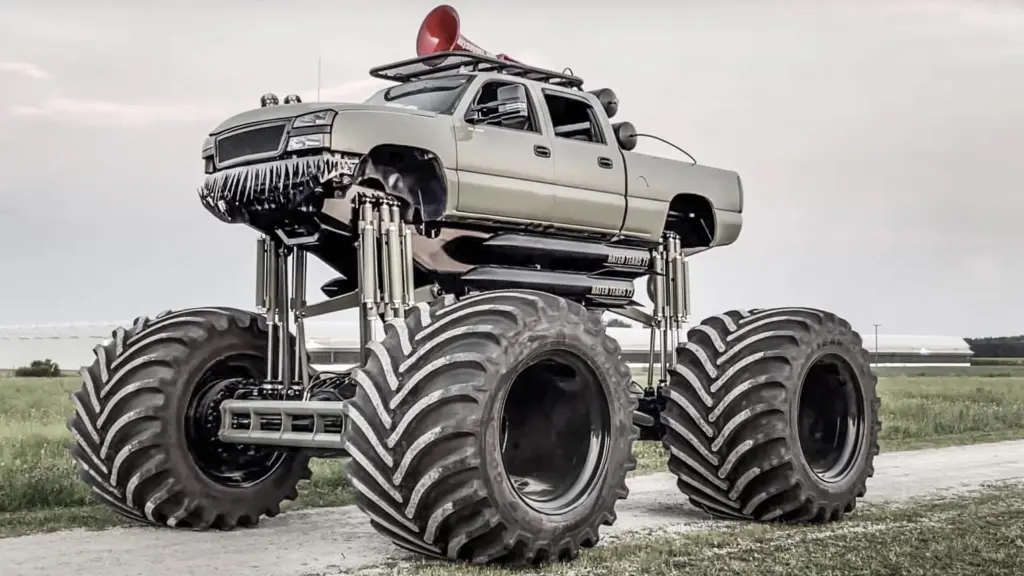
Monster Max 2 is best known for its twin Duramax diesel setup. The original article described two LBZ Duramax diesel engines, two transmissions, a large chain-driven drop box, and heavy cooling hardware. Diesel Army also covered the project as a twin-Duramax build, placing it in the world of extreme diesel fabrication rather than conventional monster truck competition.
The reason two engines matter is not just horsepower. It is packaging, torque delivery, cooling, synchronization, and driveline survival. One powerful engine is already hard to manage in a heavy off-road truck. Two engines create a different problem: both powerplants need to work together without destroying everything behind them.
That is where Monster Max 2 becomes interesting beyond the spectacle. The truck is not only big; it is mechanically complicated. The drivetrain needs to carry torque through huge rotating mass, oversized tires, heavy axles, and extreme leverage. In simple terms, every part behind the engines has to survive forces that normal truck parts were never designed to see.
Weight, Axles, and Fabrication
Monster Max 2 is often described as weighing north of 50,000 pounds, though that figure should be treated as an estimate unless verified on certified scales. Even without a confirmed final number, the truck is clearly in a different weight class from a standard Monster Jam competition truck.
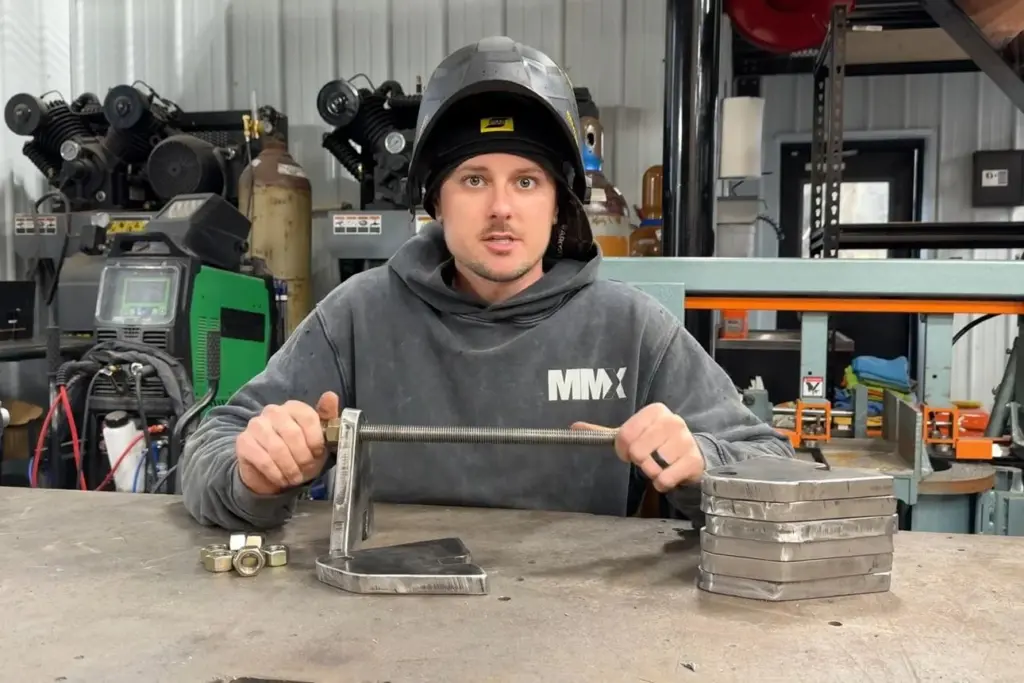
The axles alone were described in earlier coverage as weighing roughly 26,000 pounds together. The build also reportedly required around 1,000 pounds of welding wire, which gives a better sense of the fabrication scale than a clean spec sheet ever could. MonsterMax’s own merchandise/about page also describes the build around huge Goodyear Farm LSW1400/30R46 tires and heavy custom construction.
This is where the build becomes less like motorsport and more like industrial fabrication. A regular monster truck is carefully engineered to be light enough to jump, rotate, and recover. Monster Max 2 accepts huge mass as part of the show. That makes it impressive, but it also limits what it can realistically do compared with purpose-built competition trucks.
The Clevis Hook, Horn, and “Too Much” Philosophy
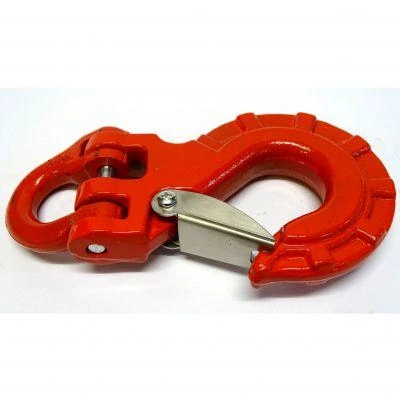
One of the most memorable details from the original Monster Max 2 story is the huge clevis hook. Detwiler reportedly bought a $5,000 clevis hook rated for 300,000 pounds early in the build. It sounds ridiculous, but it fits the entire design language of the truck.
Monster Max 2 is built on excess. Huge hook. Huge tires. Huge axles. Twin engines. Massive drop box. Battleship-style horn. Multiple shocks at each corner. The idea is not refinement. The idea is to make every part feel like it came from a machine two sizes larger than necessary.
That is also why fans react so strongly to the truck. Some see genius. Some see waste. Some see engineering comedy. But the build works as content because every component feels like a new escalation.
Why Monster Max 2 Is Different From Monster Jam Trucks
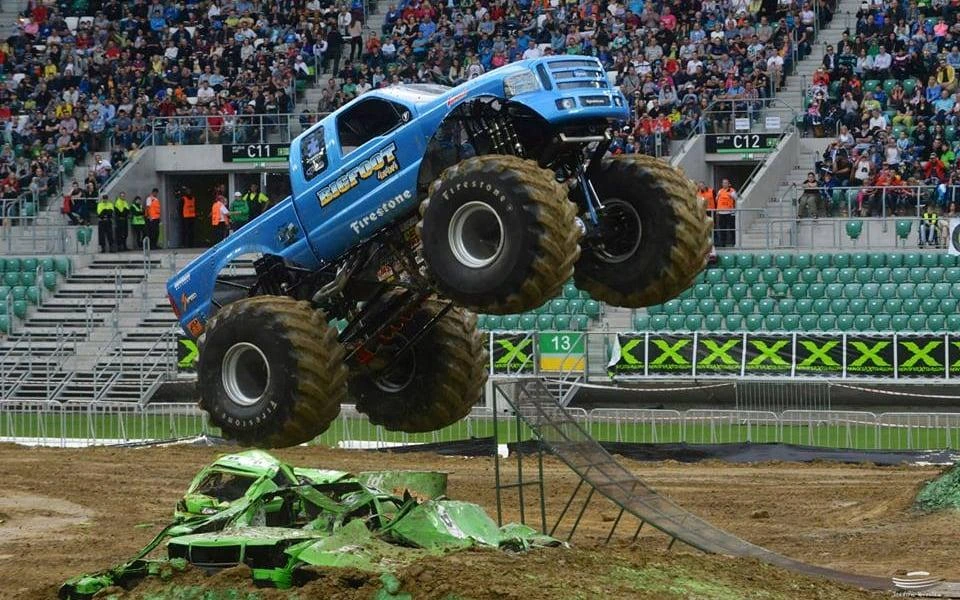
A Monster Jam truck is built for a very specific job. It needs to launch, land, turn sharply, survive freestyle damage, and remain predictable enough for professional drivers to perform in front of a live crowd.
Monster Max 2 has a different mission. It is not designed around fan scoring, racing lanes, backflips, or stadium ramps. It is closer to a mega-truck experiment with monster-truck proportions.
The difference is easiest to understand through purpose:
| Category | Monster Max 2 | Monster Jam-style truck |
| Main purpose | Spectacle, content, extreme build | Competition and live performance |
| Power style | Twin diesel setup | High-output race engine |
| Tire logic | Huge agricultural tires | Competition monster truck tires |
| Weight priority | Massive scale | Controlled strength-to-weight balance |
| Best use | Viral testing and display | Racing, skills, freestyle |
This does not make one “better” than the other. It means they are built for different worlds.
The Record Debate in 2026
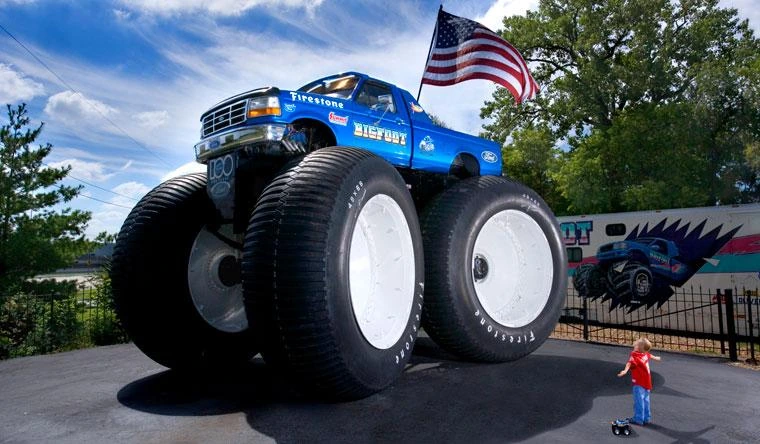
As of 2026, the safer way to describe Monster Max 2 is as one of the largest and most extreme twin-diesel monster-style trucks publicly known through online automotive media. Calling it the official world’s biggest monster truck is harder, because Guinness still points to Bigfoot 5 as the official largest monster truck record holder.
That distinction protects the article from overclaiming. Monster Max 2 may be heavier by some estimates. It may look more dramatic in video. It may use more outrageous tires and drivetrain parts. But record language needs proof, measurement, and recognition.
For a fan media site, the best framing is honest: Monster Max 2 is not just chasing records. It is testing the boundary between truck culture, diesel fabrication, and internet entertainment.
Why Fans Still Care About Monster Max 2
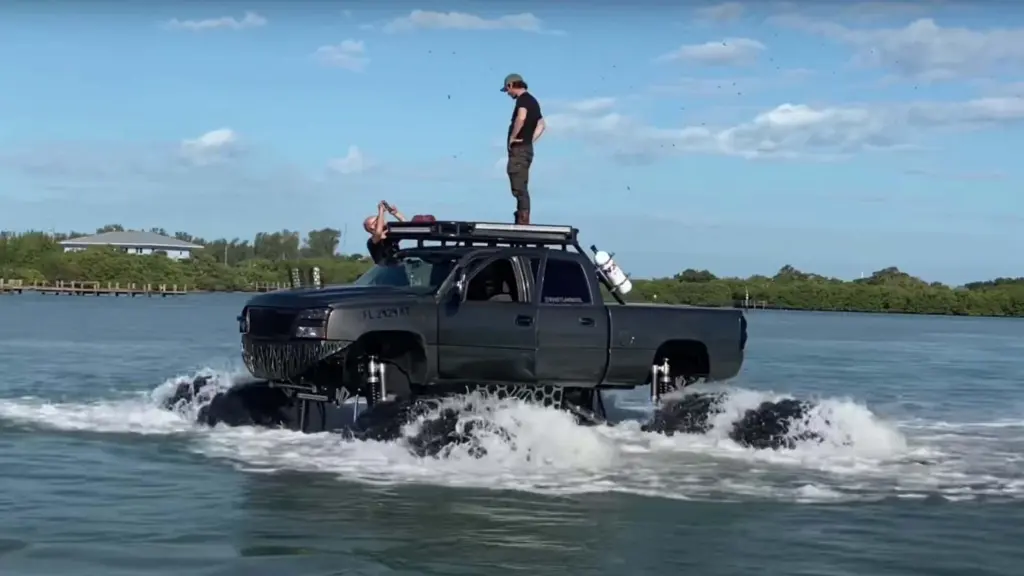
Monster Max 2 keeps attracting attention because it represents a different side of monster truck culture. It is not clean, polished, or rulebook-driven. It is excessive, loud, mechanically risky, and made for people who want to see what happens when a builder refuses to stop scaling up.
That makes it useful for Monster Jam fans too, even though it is not a Monster Jam truck. It helps explain why people love huge machines in the first place. The same curiosity that makes fans ask how much monster trucks weigh, what fuel they use, or how they are transported also makes Monster Max 2 fascinating.
The truck is not important because it is practical. It is important because it turns every practical question into a bigger one: how heavy can it be, how much torque can it take, how large can the tires get, and what breaks first?
What Monster Max 2 Means for Truck Culture
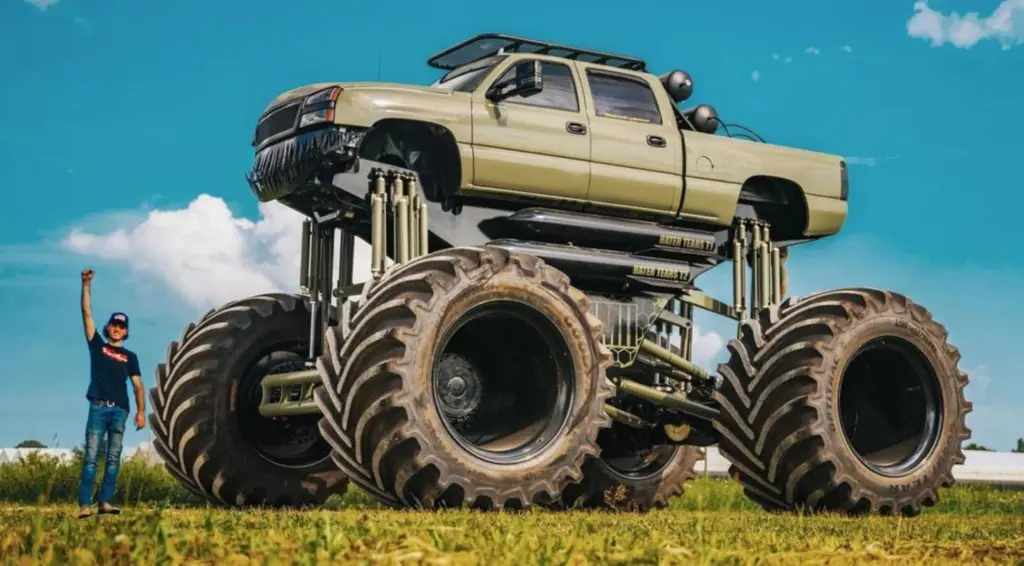
Monster Max 2 is a product of its time. Earlier monster trucks were built to perform at fairs, arenas, and stadiums. Monster Max 2 was built in the age of YouTube, social media clips, creator brands, and extreme automotive content.
That changes the design brief. A traditional monster truck has to impress a live crowd for a few minutes. Monster Max 2 has to create moments people want to replay, argue about, and share. Its mechanical absurdity is part of the media strategy.
Still, underneath the spectacle, there is real fabrication work. Oversized components still need to fit. Engines still need cooling. Tires still need mounting. Steering and suspension still need to function. Even a ridiculous truck must obey mechanical limits.
That tension is what makes Monster Max 2 interesting: it is both a joke taken too far and a serious build that could only exist because people with real technical skill made the joke move.
The Practical Takeaway for Monster Truck Fans
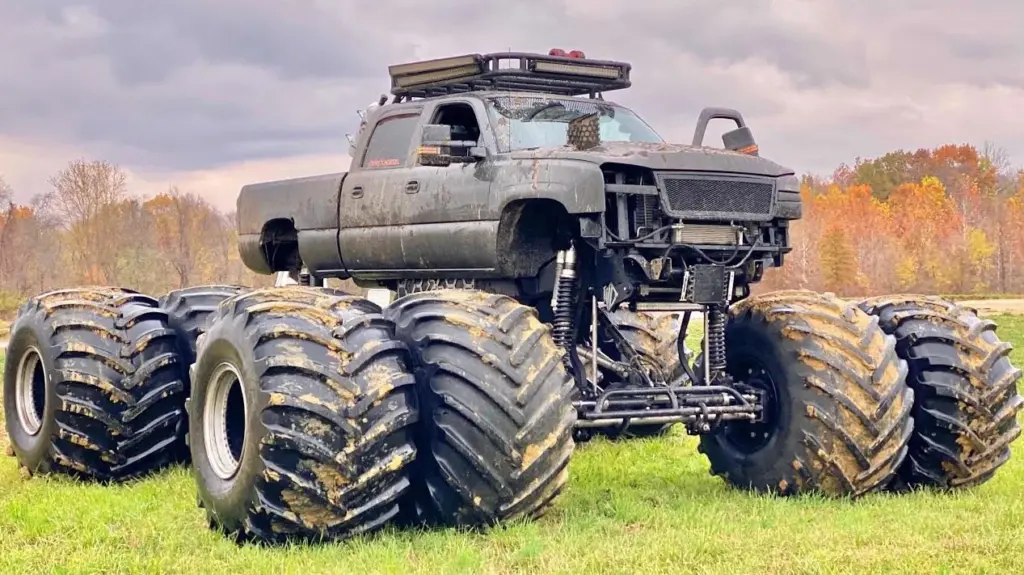
Monster Max 2 should not be judged by the same standards as a professional Monster Jam truck. It is too heavy, too specialized, and too creator-driven for that comparison to be fair. But as a fan object, it is hard to ignore.
It brings together diesel power, agricultural tire scale, extreme fabrication, and online personality in a way few trucks have done. It may not officially replace Bigfoot 5 in the record books, but it has already secured its own place in modern monster truck conversation.
For fans, the most accurate verdict is simple: Monster Max 2 is not the cleanest, fastest, or most competition-ready monster truck. It is one of the most extreme twin-diesel truck builds ever made visible to a mass audience, and that is exactly why people keep searching for it.